
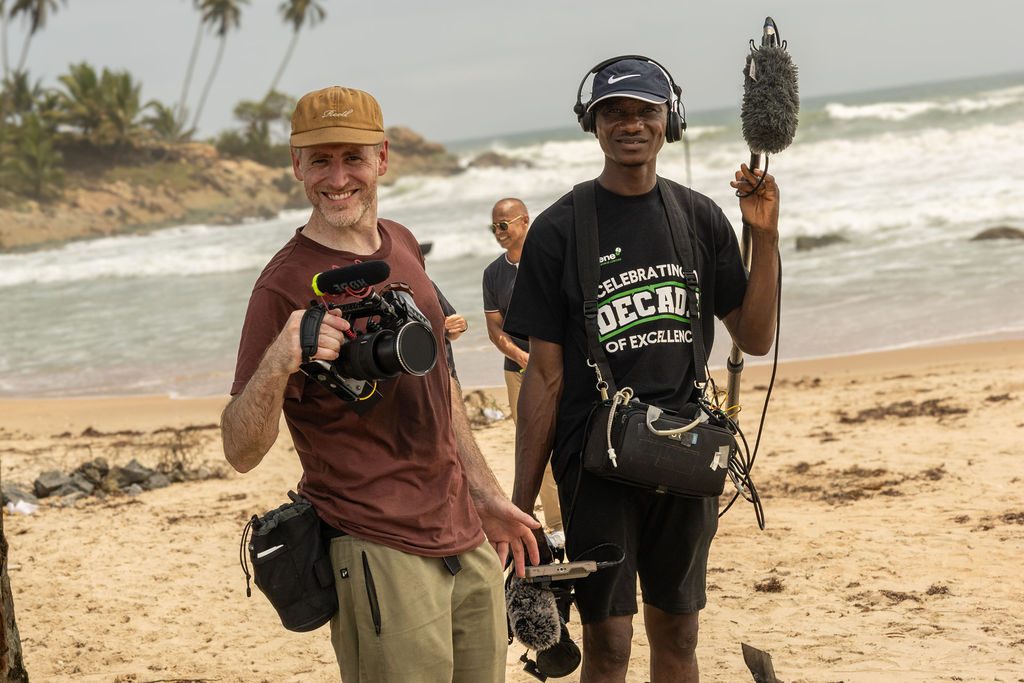
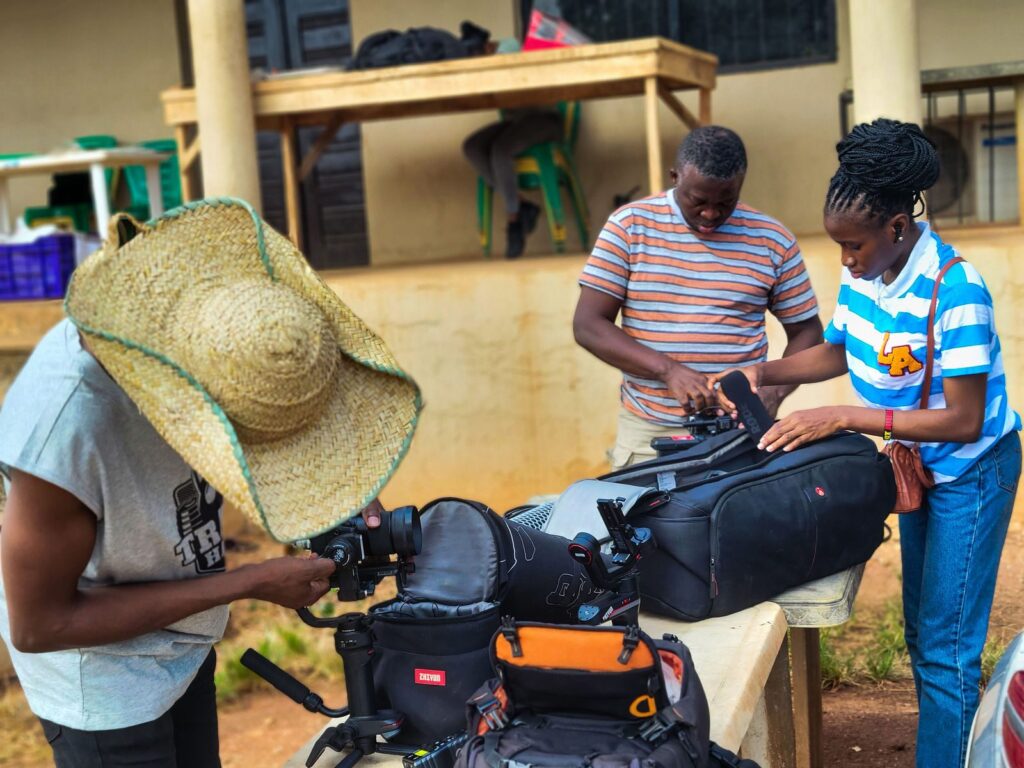
Blog · Production Planning
Planning a Production in Africa: The Work That Happens Before the Cameras Roll
A successful shoot depends on decisions made long before the crew reaches the location.
The work starts before the journey
Imagine a crew preparing to cross a border with cameras, lenses, monitors, sound equipment and accessories worth tens of thousands of dollars. The story is ready. The flights are booked. The filming schedule is tight. Yet before the crew can begin work, someone has to make sure the equipment can travel, enter the destination country and leave again without creating a problem for the production.
That preparation rarely makes it into the finished film. But it can determine how smoothly the shoot begins. International production is full of details that are easy to underestimate from a distance. Equipment paperwork, permits, access, transport, local suppliers and timing all need attention. If one is overlooked, a problem that could have been handled weeks earlier may suddenly compete with the filming schedule.
When equipment needs its own paperwork
For eligible professional equipment moving temporarily between participating countries, an ATA Carnet may be used as a customs document. It is often described as a passport for goods because it records equipment being taken abroad temporarily and supports the customs process for its return. A carnet is not accepted everywhere and does not replace every licence or permit, so the right procedure must be confirmed for each destination and route.
Preparing the paperwork can take time. The equipment list needs to identify items clearly, often including make, model and serial number. The details need to match the actual gear travelling. Customs may ask to inspect the equipment, so it helps to organise cases in a way that makes items easy to locate. The point is not simply to have a document in hand. It is to make sure the inventory, equipment and planned journey all match.
A small detail can hold up an entire crew
When a crew is tired, travelling across time zones and trying to reach a location on schedule, even a minor documentation issue can become a major distraction. A missing serial number, an item that does not appear on the list or uncertainty about which customs procedure applies can take time to resolve.
The answer is not to assume every border will be difficult. It is to avoid relying on assumptions. Requirements differ by country, equipment and route. Check the relevant rules early with the appropriate customs authority, issuing organisation or qualified adviser. Keep the inventory accessible, make sure the person carrying the documents understands the process, and pack equipment so listed items can be found without unpacking every case.
Confirm the details before you travel
International productions often involve several people sharing responsibility for one journey. The producer may be coordinating with a rental house, a local fixer, a customs adviser, an equipment manager and the crew. Each person may have part of the answer, but the production still needs a clear picture of the whole process.
Confirm critical requirements in writing where possible. Check that the equipment list is final, the travel route is covered, the right person is authorised to present the documents and everyone knows what needs to happen at departure, arrival and return. If advice differs, resolve the uncertainty before the crew is on the move. This kind of double-checking is not wasted effort. It is part of protecting the schedule and budget.
Have a practical backup plan
Bringing equipment from home is not always the only option. Depending on the country, kit, budget and creative needs, it may make sense to hire locally or combine local and imported equipment. Each option has trade-offs, including availability, condition, compatibility, cost, transport and the certainty that the right kit will be ready when needed.
Think through what is essential, what could be sourced locally and what the team would do if a key item became unavailable. Local rental is not automatically simpler, just as travelling with owned equipment is not automatically better. Both options need checking against the production’s requirements. A contingency plan gives the producer options. It does not mean expecting the production to go wrong.
The value of local production support
A local fixer or production partner can help a visiting crew understand the practical requirements of filming in a particular country. Depending on the brief, that may involve coordinating local contacts, checking what permissions may be needed, exploring equipment-hire options, arranging transport, sourcing crew and keeping the schedule connected.
Local support does not replace official customs advice, and no fixer can guarantee that equipment will be cleared at a border. A capable local partner can help identify the questions that need answering, connect the production with the right people and coordinate the local arrangements around the shoot. That work makes a difference before the crew arrives, when there is still time to solve problems calmly rather than under pressure.
Before the cameras roll
A good production plan is built from decisions that rarely appear on screen. The paperwork must be right. The people must be in place. The route, access, equipment and timing need to make sense together. None of this is as visible as the final images, but it helps make those images possible.
Africa Fixers supports productions across Africa with local fixing, research and access, permits coordination, location scouting, crew, equipment and logistics. The right support depends on the country and the project, so every conversation begins with the brief and what the production needs to achieve.
Planning a production in Africa? Visit https://africafixers.com/ and tell us what you are making, where you are going and when you plan to film.
Keep reading
More from the blog
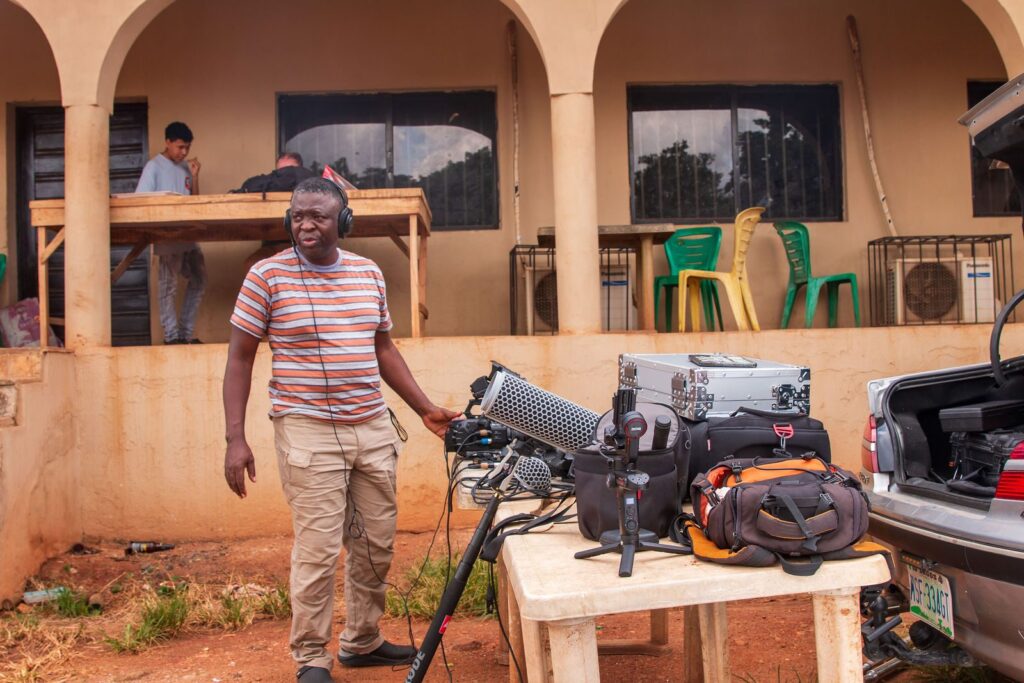 Fixing & Access25 Oct 2026What Does a Film Fixer in Africa Actually Do?The work behind a smooth shoot is often the work nobody sees.Read article
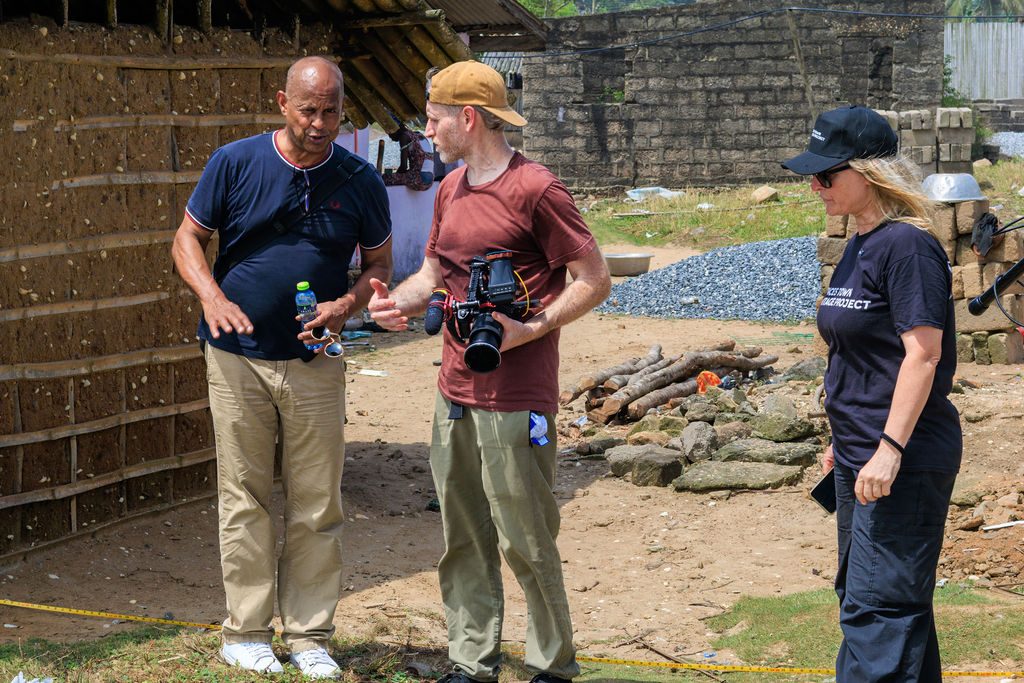 Multi-Country Production25 Oct 2026Producing Across Multiple African Countries: Why Local Knowledge and Coordination MatterThe challenge is not just arranging each shoot. It is making every part work together.Read article
Next step
Planning a production in Africa?
Send us your brief, dates, locations and requirements.