
Blog · Fixing & Access
What Does a Film Fixer in Africa Actually Do?
The work behind a smooth shoot is often the work nobody sees.
More than meeting the crew at the airport
When people hear the word fixer, they may imagine someone who meets a crew on arrival, drives them to a location or helps with translation. Those tasks can be part of the job, but they do not capture the full responsibility of fixing a production.
A fixer helps turn a brief into a workable plan in a place the visiting team may not know well. That can mean researching a story, finding interview subjects, building local contacts, identifying locations, checking access, helping coordinate permits, sourcing crew and equipment, and keeping practical arrangements moving.
The work changes with every assignment. A news crew may need quick access and reliable information. A documentary may need careful research and time to build trust. A commercial may require precise locations, technical resources and a tightly managed schedule. The fixer has to understand the purpose of the production and the realities of making it happen on the ground.
Understanding what the brief does not say
A brief might ask for an interview with a particular person or a shoot in a specific community. Before the camera can be set up, someone may need to establish the right point of contact, explain the project, understand how access works, agree on timing and identify any sensitivities the production should respect.
A request for a location also involves more than finding a place that looks right. The team needs to know whether filming is permitted, who controls access, what approvals may be required, how the crew will get there and whether the location can support the planned work.
These questions are easy to miss when a production is being planned from another country. A good fixer brings them into the conversation early, while there is still time to make choices.
Local relationships take work
Local knowledge is not simply a list of phone numbers. It is an understanding of who does what, how to approach them, which conversations need time and how to work respectfully in a particular environment.
Relationships can help a fixer make introductions, understand a situation and communicate a request in a way that makes sense to the people involved. They can be especially valuable when a production is unfamiliar with the location or working to a short deadline.
Those relationships do not guarantee access, and they do not replace formal permissions. They help the production navigate the right process with better context and more informed expectations.
The details that never make the final cut
Some of the most important fixing work happens far from the camera. It might involve confirming a supplier, organising transport, arranging an interpreter, checking a permit requirement or making sure the crew understands how to get equipment into the country.
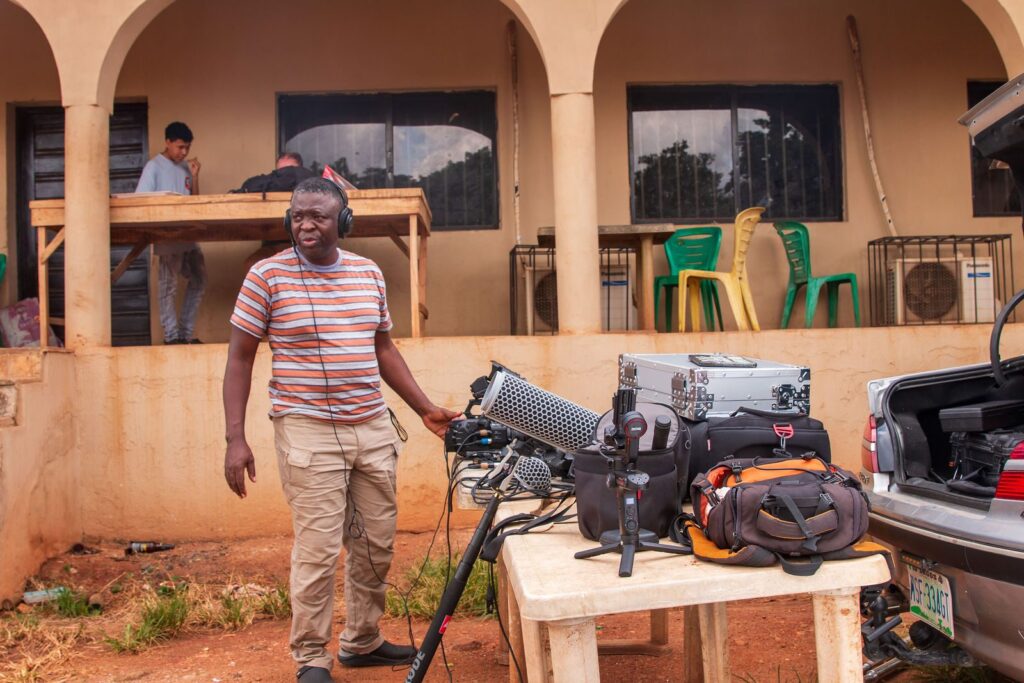
Equipment movement is one example. A production travelling with professional gear may need a detailed inventory and a temporary import or export procedure that fits the countries on its route. In some cases an ATA Carnet may be appropriate. In others, a different process may apply. The team needs to verify the rules rather than assume one approach works everywhere.
A fixer can help coordinate local information and contacts, while specialist customs and licensing questions should be checked with the appropriate authorities or advisers. The work is about making sure the production understands what needs to happen and who is responsible for each step.
Problem-solving means thinking ahead
Fixers are often described as resourceful. That is important, but the best problem-solving is not just improvisation when something goes wrong. It starts with recognising where the pressure points might be and preparing sensible options.
If a location becomes unavailable, the team needs an alternative that still works for the story. If the schedule changes, the fixer needs to understand how the change affects transport, crew, access and cost. If a supplier cannot deliver, a replacement has to meet the production’s actual needs.
Good judgement includes knowing when to act, when to escalate an issue and when the producer needs to make the decision. Clear communication matters as much as a quick solution.
When the production needs a wider team
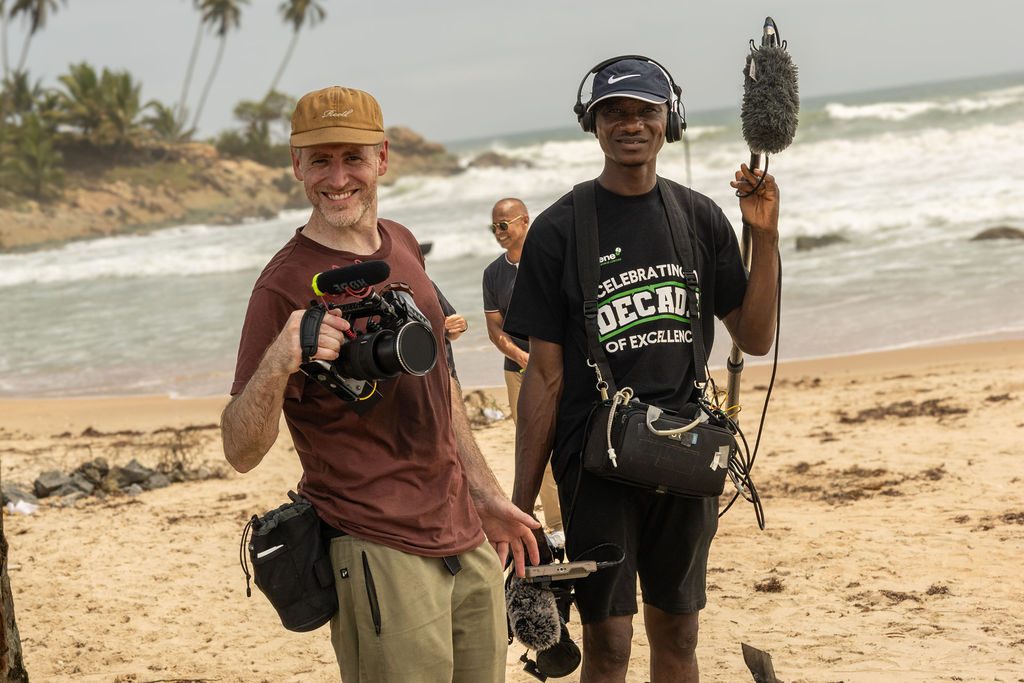
A fixer may be the main local contact, but larger assignments often depend on a wider group of people. Researchers, local producers, location professionals, drivers, interpreters, camera and sound crew, equipment suppliers and other specialists may all play a part.
The producer needs clarity about what is included, who is responsible, what remains outstanding and how changes will be communicated. Having contacts is useful. Having the work coordinated around the production’s needs is what helps those contacts function as a team.
Africa Fixers works with local fixers and production professionals and can coordinate support such as research, access, permits, locations, crew, equipment and logistics. Some briefs need a focused fixing assignment. Others need a broader production partner who can help connect the moving parts.
Choosing the right fixer
Price and availability matter, but they are not the only things worth considering. Relevant experience, communication, judgement, local knowledge and transparency about costs and responsibilities matter too.
Before a shoot, producers should discuss the scope of work, what the fee includes, which expenses are separate, how permissions will be handled, how updates will be shared and what happens if the plan changes. These conversations make expectations clear before time pressure sets in.
A good fixer will not simply promise that everything is possible. They will help the producer understand what is realistic, what needs checking and which decisions should be made before the crew arrives.
The value behind the role
Fixing requires more than being helpful on the day. It calls for research, local relationships, planning, coordination and the judgement to connect creative goals with practical realities. Often, the most valuable work is the problem that never reaches the client because someone identified it early and dealt with it properly.
At Africa Fixers, we see local knowledge as a central part of production. We help international clients connect with local professionals and coordinate the support needed to film across Africa.
If you are planning a documentary, news assignment, commercial or other production in Africa, visit https://africafixers.com/ to tell us about your project.
Keep reading
More from the blog
 Multi-Country Production25 Oct 2026Producing Across Multiple African Countries: Why Local Knowledge and Coordination MatterThe challenge is not just arranging each shoot. It is making every part work together.Read article
 Production Planning25 Oct 2026Planning a Production in Africa: The Work That Happens Before the Cameras RollA successful shoot depends on decisions made long before the crew reaches the location.Read article
Next step
Planning a production in Africa?
Send us your brief, dates, locations and requirements.